
Stay Connected With Us
Your care doesn’t stop when you leave the office—and neither do we.
If something doesn’t feel right, you have questions, or just want to check in:
📱 Call or text us: 812-477-4444
👍 Follow us: VSC Wellness Center (Facebook)
📩 Message us anytime on Messenger
We’re here to support you—between visits and beyond.
Getting the Most Out of Your Care
At VSC Wellness Center, your results don’t just happen in the office—they’re built through what you do between visits. Follow this roadmap to heal faster, feel better, and maintain long-term results.
1. Stay Consistent with your Care
Healing is a process—not a one-time fix.
- Stick to your recommended treatment plan
- Don’t wait until pain returns to come back
- Early progress = pain relief
- Continued care = correction + long-term stability
Consistency is what turns temporary relief into lasting results.
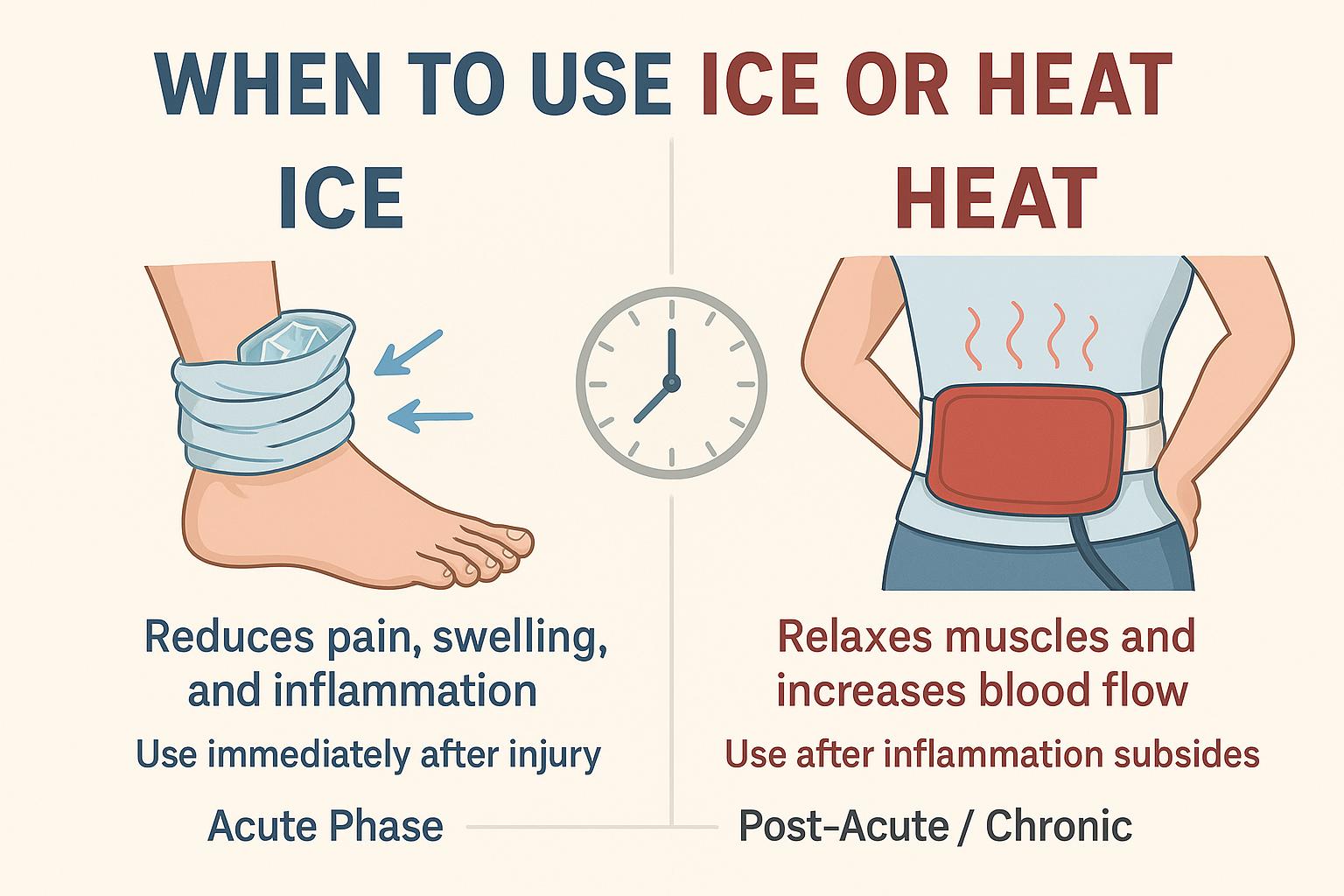
2. Ice vs. Heat: When to Use Each
Knowing when to use ice or heat can dramatically improve recovery.
Use ICE (first 24–72 hours or after flare-ups):
- Reduces inflammation and swelling
- Helps calm acute pain
- Apply 15–20 minutes at a time
Use HEAT (after inflammation settles):
- Relaxes tight muscles
- Improves blood flow
- Great for chronic stiffness
⚠️ Rule of thumb:
Swelling/inflammation → ICE
Tightness/stiffness → HEAT
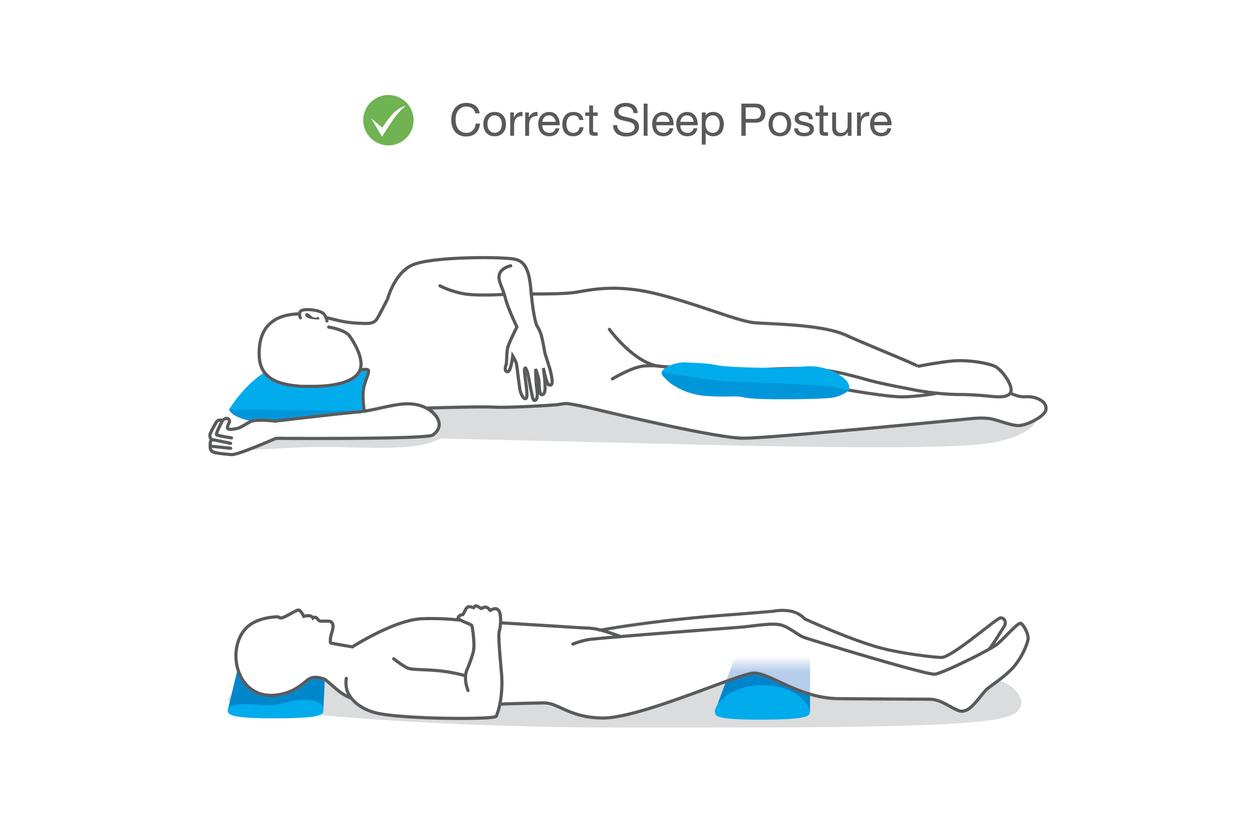
3. Sleep Position Matters (More Than You Think)
Your body heals while you sleep—don’t mess yourself up overnight.
Best positions:
- On your back with pillow under knees
- On your side with pillow between knees
Avoid: Stomach Sleeping
- Twists the spine and neck for hours
- Increases pressure on joints and nerves
- Can slow healing and worsen pain
Goal: Keep your spine in a neutral position all night. This gives you the best chance to rest better and actual recover from the day before!
4. Hydration = Healing
Your discs, muscles, and joints depend on proper hydration.
- Aim for ½ your body weight in ounces of water daily
- Helps reduce inflammation
- Improves tissue recovery
- Supports joint mobility
💡 Dehydration can increase stiffness and slow healing. *Don’t forget the power of electrolytes! Proper hydration and proper minerals (electrolytes) helps your body relax.
5. Stretching & Mobility Guidelines
Movement reinforces your adjustments.
- Do prescribed stretches daily (or as recommended)
- Move gently—no forcing or bouncing
- Focus on controlled, slow movements
- Stretch after warm-up or heat (not when cold and inflamed)
Consistency > intensity

6. Listen to Your Body
Mild soreness after an adjustment is normal—your body is adapting.
- Stay active, but avoid overdoing it
- Modify activities if needed
- Communicate any concerns with your provider
Bottom Line
Your care doesn’t stop when you leave the office.
✔ Be consistent
✔ Support your body with the right habits
✔ Stay proactive—not reactive
This is how you move from pain relief → correction → long-term wellness.
 vscwellness.com